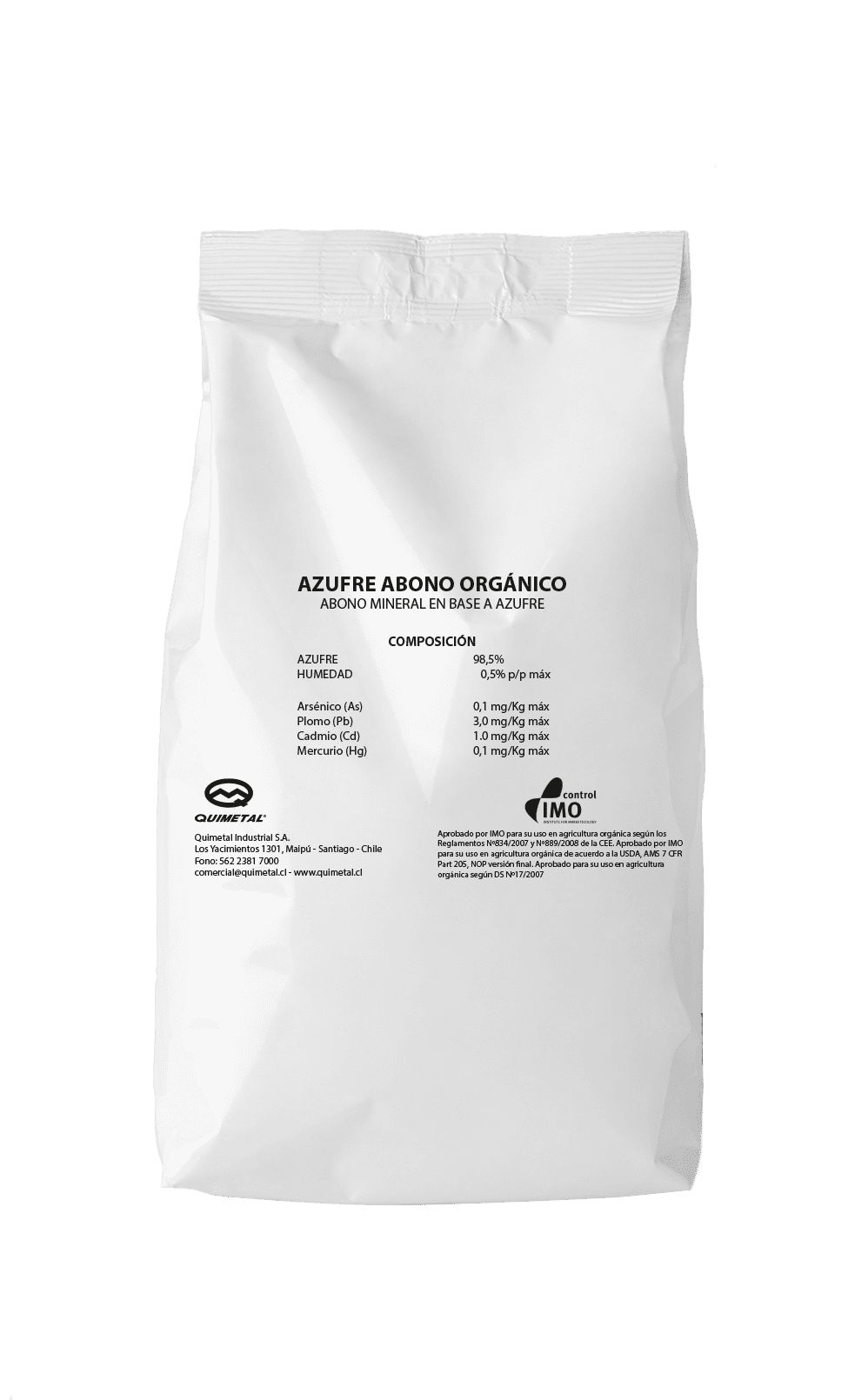
Description
Why is Nitrogen (N) important?
- An essential component of proteins and chlorophyll: Nitrogen is a fundamental component of proteins, as well as of chlorophyll, the pigment responsible for photosynthesis in plants.
- Growth promoter: Nitrogen is necessary for plant growth and the synthesis of new cells. An adequate supply of nitrogen can promote vigorous plant growth and increase crop yields.
- Improving crop quality: Nitrogen can influence the quality of agricultural products by affecting the protein content, texture, and color of crops.
Advantages of ammoniacal nitrogen:
- Immediate availability: Ammoniacal nitrogen can be rapidly absorbed by plants, since it is available in a form that plants can use directly.
- Better retention in the soil: Ammoniacal nitrogen has a higher retention capacity in the soil compared to other forms of nitrogen, which means it is less prone to leaching and volatilization.
Benefits of nitric nitrogen:
- Long-term uptake: Although nitric nitrogen may take longer to convert into a form that plants can absorb, once it becomes available, it is a source of nitrogen that plants can use over a longer period of time.
- Greater solubility: Nitric nitrogen is highly soluble in water, which facilitates its application and distribution in the soil.